You spent two hours on that report. Formatted the table, wrote the summary, added a note explaining the dip in week three. Sent it Monday morning.
It’s Thursday. Nobody has mentioned it.
This isn’t a motivation problem on your stakeholders’ end. It’s a format problem on yours.
The report is asking too much of the reader
A static report — whether it’s a PDF, a spreadsheet, or a slide deck — puts the cognitive burden on whoever opens it. They have to find the number that matters, understand what it means relative to last month, and figure out if it’s good or bad. Most people won’t do that without being asked directly.
The harder a report is to interpret at a glance, the less likely it is to drive any decision at all.
And the most common response to a confusing report isn’t a question. It’s silence. People close it and move on.
It’s already out of date
Here’s the other problem: by the time your report reaches someone’s inbox, the data in it is at least partially stale. If you’re pulling from Google Sheets or Excel manually, you’re reporting on the past, not the present.
Stakeholders have learned this, even if they haven’t said it explicitly. They know the number in your report might not match what they’d see if they pulled it themselves. So they don’t act on it.
What actually gets read
The reports that drive decisions share a few traits. They answer a specific question immediately — without requiring the reader to hunt. They’re short enough that someone can absorb the key point in under 30 seconds. And the data in them is current enough to trust.
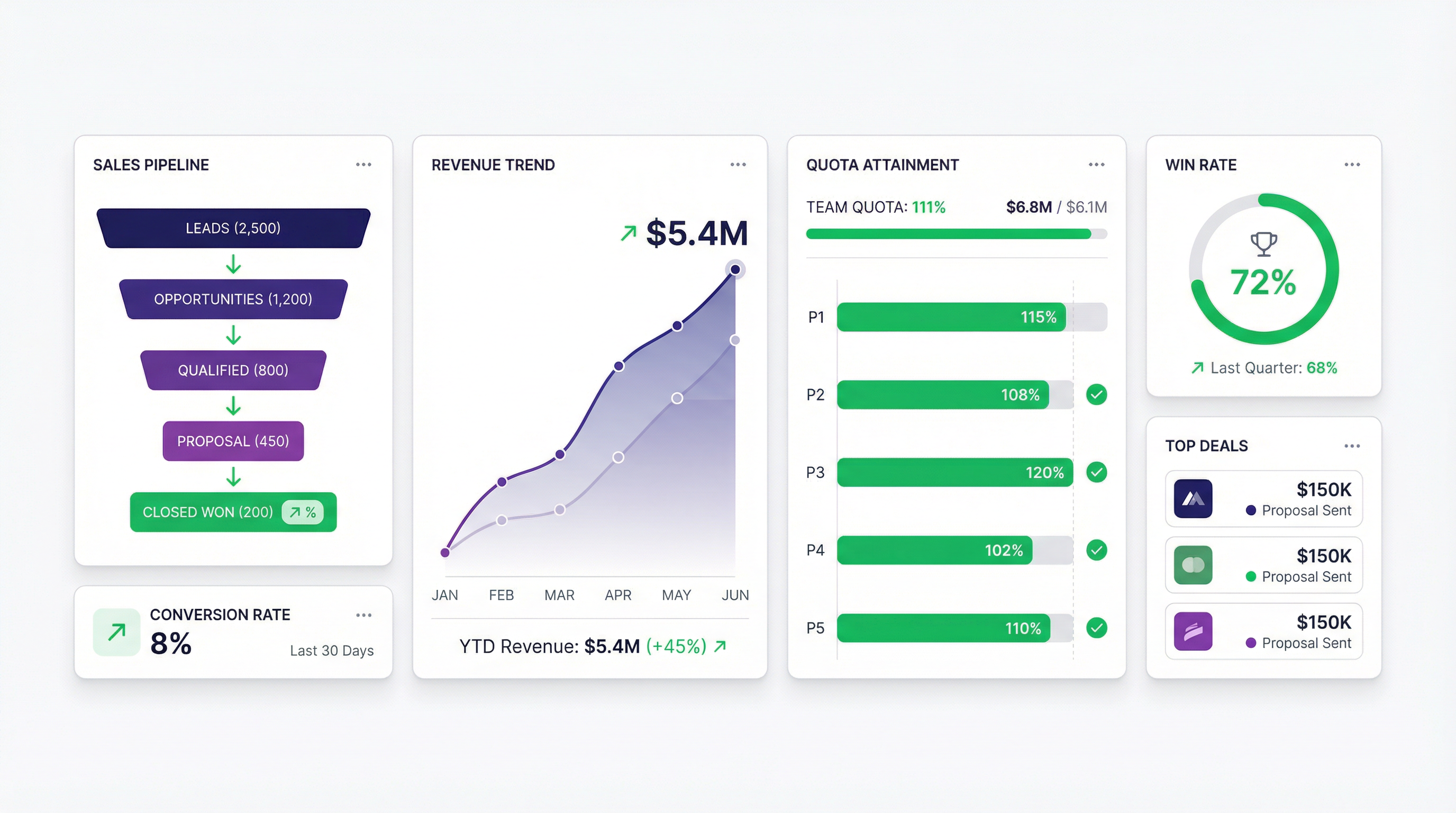
A live dashboard does all three by default.
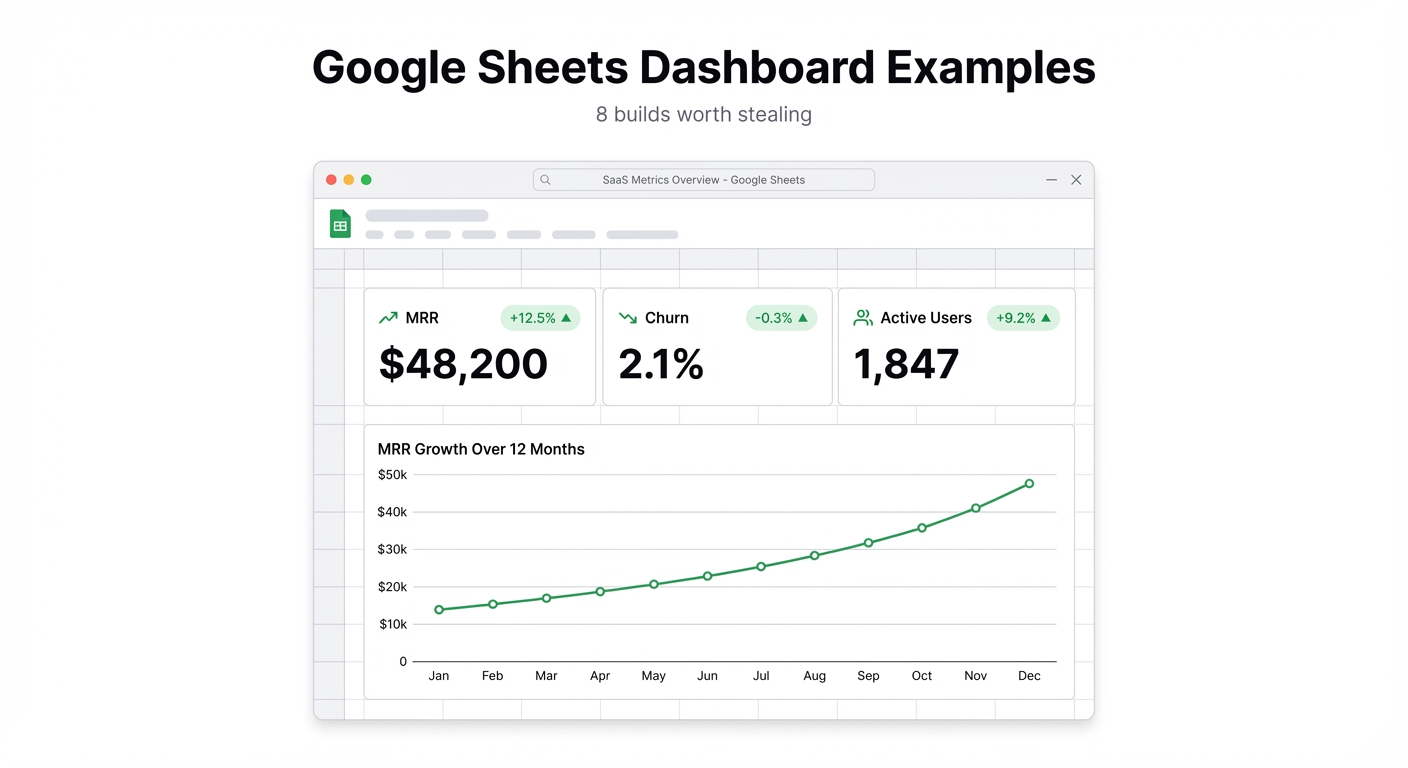
It’s always showing the latest numbers because it’s connected directly to the source. The visual format means you can see the trend, the outlier, or the win without reading a paragraph of explanation. And because it lives at a link rather than in an attachment, it’s something people can actually return to throughout the week.
The comparison that made this clear for us
We had a customer — a small operations team — who was sending weekly Excel reports to their CEO. Two pages, manually compiled every Friday, usually took about 90 minutes to produce. The CEO would acknowledge receipt. Rarely anything else.
They switched to a live dashboard connected to the same underlying data. Sent the CEO a link instead of a file. Within a week, the CEO was opening it on her own, mid-week, without being prompted. She started asking questions about specific numbers — which is exactly what you want.
Same data. Completely different behavior.
The format you use is a signal
When you send a static report, you’re implicitly asking for the reader’s time and effort. When you share a live dashboard, you’re respecting both. It’s ready when they are. It doesn’t require them to mentally translate rows into trends.
The format you choose tells your stakeholders how much you’ve thought about their experience of the data.
How to fix it without starting from scratch
You don’t need to rebuild your reporting process from scratch. Your data is probably already in Google Sheets or Excel. The missing piece is the layer that turns it into something interactive and always-current.
With Infograph, you connect your spreadsheet, describe what you want to see, and get a live dashboard that updates automatically. It takes a few minutes to set up. Once it’s running, you stop sending files and start sharing links — and your data actually starts driving decisions.
Try it with your next report before you send it. See whether the response is different.