A dashboard is only as good as the decisions it helps you make. Here’s how to design dashboards that people actually use.
1. One Dashboard, One Purpose
The most common dashboard mistake? Trying to answer every question at once.
Every dashboard should have a single, clear purpose. “Executive overview” is not a purpose. “Track weekly sales performance against targets” is.
Before adding any chart, ask: “Does this help answer the core question?“
2. Put the Most Important Metric First
Users scan dashboards in an F-pattern — top-left gets the most attention. Your key metric belongs there.
Not sure what your key metric is? That’s a sign your dashboard is trying to do too much.
3. Context Over Raw Numbers
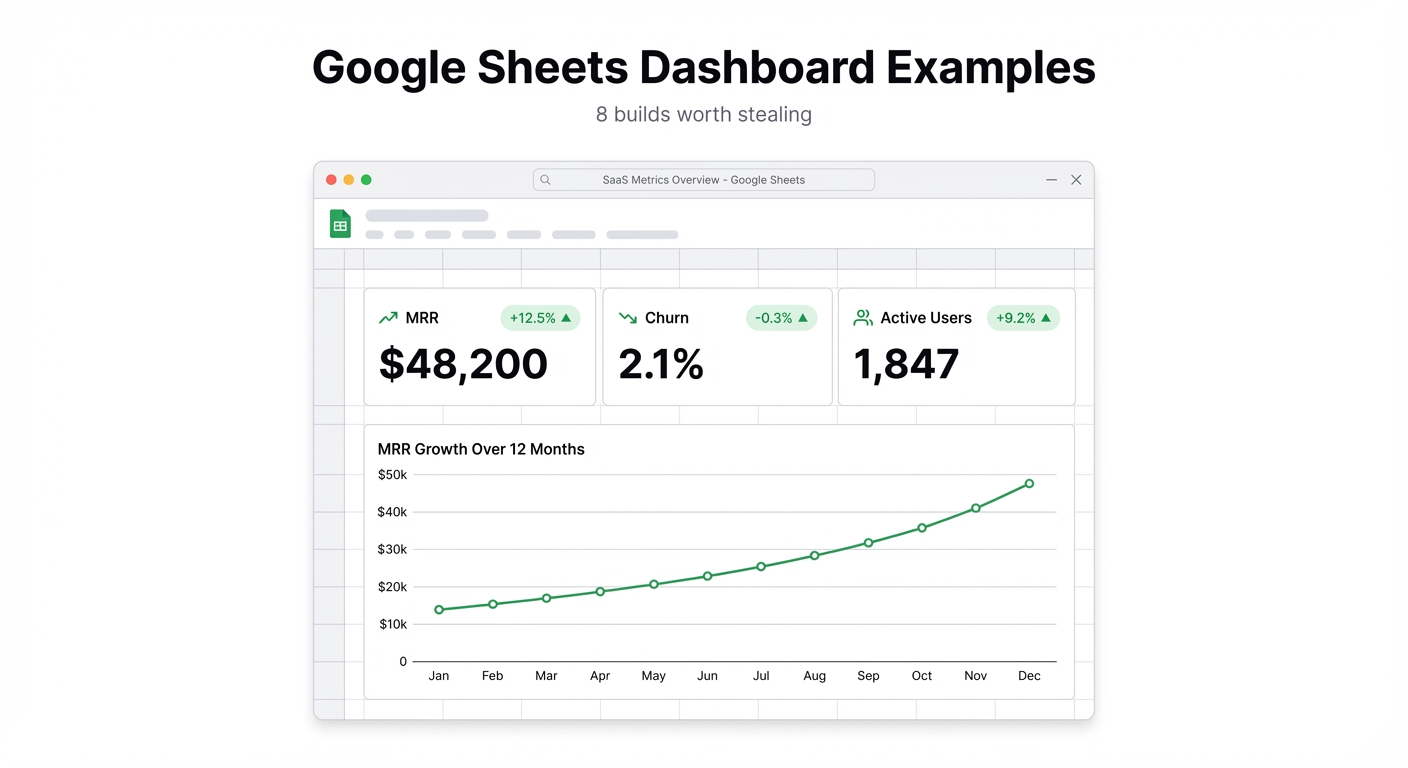
A number without context is just trivia. “Revenue: $142,000” tells you nothing.
“Revenue: $142,000 (+12% vs. last month, 94% of target)” tells a story.
Always show:
- Comparison to a previous period
- Progress toward a goal
- Whether the trend is good or bad
4. Less is More (Really)
Every chart you add dilutes the impact of every other chart. White space isn’t wasted space — it’s breathing room for your data.
If a chart doesn’t change behavior or decisions, remove it.
5. Design for the Viewer, Not the Data
Different audiences need different views:
- Executives want high-level trends and exceptions
- Managers want team performance and comparisons
- Analysts want drill-down capabilities
One dashboard rarely serves all three well. Consider creating focused views for each audience.
The Bottom Line
The best dashboards feel obvious in hindsight. They show exactly what you need to know, nothing more.
Start with the decision you’re trying to make, then work backward to the data that informs it.